Choosing a real estate development partner involves more than evaluating an attractive property or a compelling investment presentation. For investors, the quality of the team behind a project—and the discipline with which that team evaluates opportunities, manages risk, and communicates progress—can be just as important as the development concept itself.
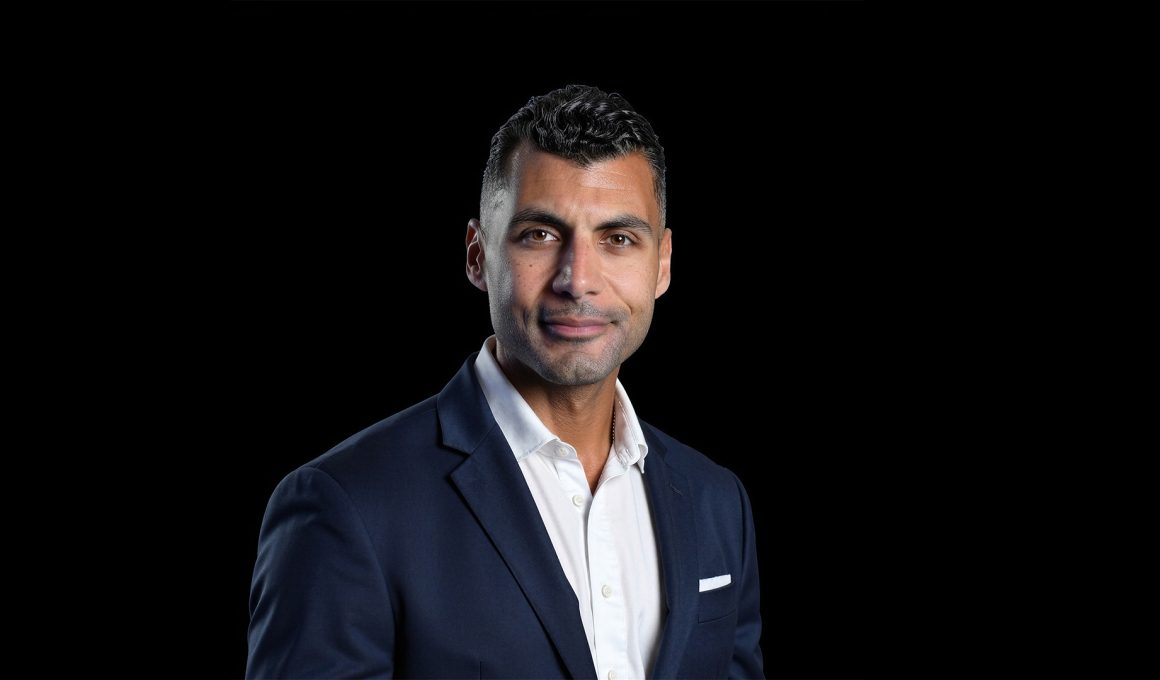
ELDA Developments CEO Ahmed Eldahmy was featured by C-Suite Brief in an article titled “Ahmed Eldahmy: What Investors Should Look for Before Partnering with a Developer.” The feature offers a timely opportunity to consider the questions investors should ask when assessing a potential development relationship.
Look Beyond the Initial Vision
A proposed development may have a strong design, a desirable location, and a persuasive story. Investors also need to understand the practical plan behind that vision. What assumptions support the project? What are the key milestones? How will the team respond if costs, approvals, financing, or market conditions change?
Sound evaluation considers the development process as a whole, from site selection and feasibility to design coordination, construction oversight, and eventual property operations or sale.
Evaluate the Developer’s Experience and Execution Plan
A developer’s ability to coordinate a project depends on the people, systems, and professional relationships involved. Investors should ask about relevant project experience, the responsibilities of outside specialists, and the process for monitoring budgets and schedules.
It is also useful to distinguish completed projects from proposed or in-progress developments. A clear understanding of project status helps investors assess the evidence available and the work that remains.
Understand Risk Before Discussing Returns
Every real estate development faces uncertainty. Entitlements, construction pricing, interest rates, leasing assumptions, and market demand can all affect an investment’s outcome. Before entering a partnership, investors should examine how these risks have been evaluated and what contingencies are built into the project plan.
Financial projections are most helpful when their assumptions are transparent. Potential investors should ask what could change the projected timeline or returns, how additional capital needs would be handled, and what rights and obligations each partner would have.
Expect Clear Communication and Accountability
Trust in a development partnership is supported by consistent reporting and clear responsibilities. Investors benefit from knowing who makes decisions, how material changes will be communicated, and what information they can expect throughout the investment period.
Early conversations should address the structure of the partnership, reporting frequency, decision-making authority, and the process for resolving unexpected issues. Those details are fundamental to an informed working relationship.
Consider the Long-Term Value of the Relationship
The best development partnership is not simply a transaction. Investors and developers should have compatible objectives, a shared understanding of the investment horizon, and realistic expectations about liquidity and risk.
At ELDA Developments, the company’s stated approach emphasizes thoughtful planning, quality construction, investment strategy, and long-term value creation in San Diego. Investors exploring any project should apply their own due diligence and consult qualified legal, tax, and financial advisers before committing capital.
Read the C-Suite Brief Feature
For more on the subject, read the original feature, “Ahmed Eldahmy: What Investors Should Look for Before Partnering with a Developer”, published by C-Suite Brief.